
Behavioral Finance Insights for Personal Budgeting Apps
Default Settings Do the Heavy Lifting
Automatic savings transfers are a perfect example. When saving happens by default, people don’t have to rely on willpower. They just… save. Apps that set smart defaults — like rounding up purchases to the nearest dollar and stashing the difference — make good behavior effortless.
Gamification That Actually Works
Streaks, badges, levels — these aren’t just gimmicks. They tap into our desire for progress and completion. But there’s a fine line. Too much gamification feels patronizing. The sweet spot? Making financial progress feel like a personal win, not a carnival game.
A Quick Comparison: Old School vs. Behavioral-Savvy Apps
| Feature | Traditional App | Behavioral-Savvy App |
|---|---|---|
| Budget alerts | Red warning when overspent | Gentle nudge before overspending |
| Savings | Manual transfers | Automatic round-ups and defaults |
| Goal tracking | Numbers only | Visual progress with emotional cues |
| Tone | Neutral, data-heavy | Encouraging, human |
| Customization | Endless categories | Simplified, guided choices |
See the difference? It’s not about more features. It’s about designing for how people actually think and feel.
What This Means for App Developers
If you’re building a personal budgeting app, here are a few practical takeaways:
- Design for emotions, not just logic. Your users aren’t spreadsheets. They’re humans with hopes, fears, and a weakness for impulse buys.
- Reduce friction for good habits. Make saving automatic. Make budgeting a two-tap process.
- Use language carefully. “You invested in your future” hits differently than “You spent $50.”
- Test with real users. Behavioral insights are a starting point, not a guarantee. Watch how people actually behave.
And sure, some of this might sound like manipulation. But there’s a difference between nudging someone toward their own goals and tricking them into spending more. Ethical design matters here — a lot.
The Bottom Line (Pun Intended)
Behavioral finance isn’t just academic theory. It’s a practical toolkit for anyone trying to build better money habits — or build apps that help others do the same.
The next generation of budgeting apps won’t win by having the most features. They’ll win by understanding the quirky, irrational, wonderfully human ways we handle money. And that, honestly, is a future worth saving for.
Ever opened your budgeting app, seen that number staring back at you, and felt a little… guilty? Yeah, you’re not alone. There’s a reason why we download these apps with the best intentions, then abandon them three weeks later like a half-finished gym membership. And honestly, it’s not just about willpower. It’s about how our brains are wired.
Behavioral finance — that fascinating mashup of psychology and money — has a lot to say about why we sabotage our own budgets. And for anyone building or using a personal budgeting app, these insights are gold. Let’s dive in.
Why Traditional Budgeting Apps Miss the Mark
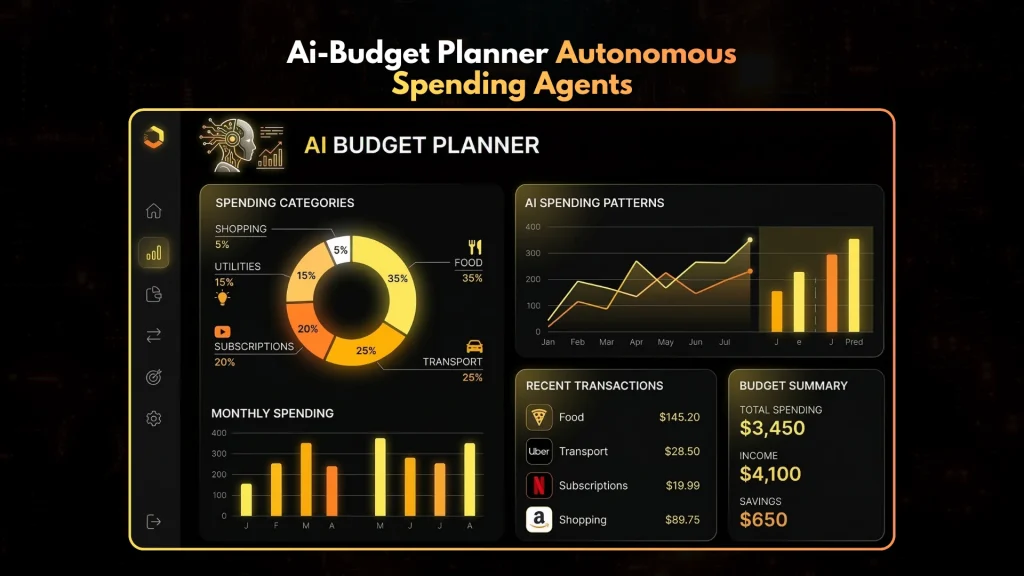
Most budgeting apps operate on a simple premise: show people where their money goes, and they’ll make smarter choices. Sounds logical, right? Well, here’s the deal — humans aren’t logical creatures, especially when it comes to money.
We’re emotional. We’re impulsive. We tell ourselves we’ll start saving “next month” while ordering takeout for the fourth time this week. Traditional apps track transactions and spit out pie charts, but they don’t account for the messy, irrational human behind the screen.
That’s where behavioral finance comes in. It explains the invisible forces nudging your spending decisions — and smart budgeting apps are starting to pay attention.
The Big Behavioral Biases That Wreck Budgets
Let’s talk about the usual suspects. These are the cognitive biases that show up again and again when people try to manage their money.
1. Present Bias: “I’ll Save Tomorrow”
Present bias is the tendency to prioritize immediate rewards over future ones. That $6 latte feels amazing right now. Retirement? That’s Future You’s problem.
Budgeting apps can counter this by making future goals feel tangible. Think visual progress bars, countdown timers, or even a photo of that dream vacation. When the future feels real, we’re more willing to sacrifice a little today.
2. Mental Accounting: The “Fun Money” Trap
We tend to treat money differently depending on where it came from or what it’s labeled for. A tax refund? Free money! Birthday cash? Splurge time. But rent money? That’s serious.
Here’s the thing — money is fungible. A dollar is a dollar. Budgeting apps that let users create too many arbitrary categories can actually reinforce this bias. Sometimes simpler is better.
3. Loss Aversion: Why We Hate Losing $20 More Than We Love Winning $20
Psychologically, losses hurt about twice as much as equivalent gains feel good. That’s loss aversion. And it explains why people cling to bad financial habits — cutting spending feels like a loss, even when it’s actually a win.
Apps can flip this by reframing savings as gains. Instead of “You spent $200 less,” try “You gained $200 toward your goal.” Same math, different feeling.
How Smart Apps Are Using These Insights
The best budgeting apps aren’t just calculators anymore. They’re behavioral coaches in disguise. Here’s what’s working.
Nudges, Not Lectures
Nobody likes being scolded. A gentle nudge — “Hey, you’re close to your dining budget” — works way better than a red alert screaming “OVERSPENT!” Behavioral science backs this up. Positive reinforcement beats punishment almost every time.
Default Settings Do the Heavy Lifting
Automatic savings transfers are a perfect example. When saving happens by default, people don’t have to rely on willpower. They just… save. Apps that set smart defaults — like rounding up purchases to the nearest dollar and stashing the difference — make good behavior effortless.
Gamification That Actually Works
Streaks, badges, levels — these aren’t just gimmicks. They tap into our desire for progress and completion. But there’s a fine line. Too much gamification feels patronizing. The sweet spot? Making financial progress feel like a personal win, not a carnival game.
A Quick Comparison: Old School vs. Behavioral-Savvy Apps
| Feature | Traditional App | Behavioral-Savvy App |
|---|---|---|
| Budget alerts | Red warning when overspent | Gentle nudge before overspending |
| Savings | Manual transfers | Automatic round-ups and defaults |
| Goal tracking | Numbers only | Visual progress with emotional cues |
| Tone | Neutral, data-heavy | Encouraging, human |
| Customization | Endless categories | Simplified, guided choices |
See the difference? It’s not about more features. It’s about designing for how people actually think and feel.
What This Means for App Developers
If you’re building a personal budgeting app, here are a few practical takeaways:
- Design for emotions, not just logic. Your users aren’t spreadsheets. They’re humans with hopes, fears, and a weakness for impulse buys.
- Reduce friction for good habits. Make saving automatic. Make budgeting a two-tap process.
- Use language carefully. “You invested in your future” hits differently than “You spent $50.”
- Test with real users. Behavioral insights are a starting point, not a guarantee. Watch how people actually behave.
And sure, some of this might sound like manipulation. But there’s a difference between nudging someone toward their own goals and tricking them into spending more. Ethical design matters here — a lot.
The Bottom Line (Pun Intended)
Behavioral finance isn’t just academic theory. It’s a practical toolkit for anyone trying to build better money habits — or build apps that help others do the same.
The next generation of budgeting apps won’t win by having the most features. They’ll win by understanding the quirky, irrational, wonderfully human ways we handle money. And that, honestly, is a future worth saving for.
About Author
